
Angers, a city of art and history on the banks of the Maine
Just an hour and a half from Paris by high-speed TGV train, Angers is a city best explored on foot, through cobbled lanes, under blue slate roofs and past façades of pale tuffeau stone. The former capital of the Counts of Anjou, officially recognised as a French City of Art and History, spreads across both banks of the Maine river, a few miles from the Loire. Most visitors come for the castle and its famous tapestry, then stay on for the relaxed pace of life, the café terraces of the Doutre, the flower-filled gardens and a generous local cuisine where chocolate, liqueurs and Anjou wines take pride of place. A lively student town and one of France's greenest cities, Angers is compact enough to enjoy without a car in two or three days.
The Château d'Angers and the Apocalypse Tapestry
You can't miss it: with its seventeen towers striped in dark schist and white tuffeau, the 13th-century fortress towers over the Maine from its rocky outcrop. Inside, a gallery built especially for it houses the Apocalypse Tapestry, the largest surviving set of medieval tapestries in the world. Stretching for around a hundred metres, the visions of Saint John unfold like a 14th-century comic strip, complete with many-headed dragons and colours that are still remarkably bright. Allow about two hours for the full visit. Make time to walk the ramparts too: the view over the cathedral, the rooftops and the Doutre district across the river is the finest in Angers. The gardens, the vineyard and the chapel of the royal lodge round off the visit.
The Cité, between the cathedral and half-timbered houses
Leaving the castle, the Montée Saint-Maurice stairway climbs straight up to the cathedral and its carved façade. This is the Cité, the historic heart of Angers, once enclosed within the Gallo-Roman walls, where the counts and bishops held power. Just behind it, on Place Sainte-Croix, stands the Maison d'Adam, the most famous half-timbered house in the city. Stop in front of its carved wooden posts and look closely at each figure: some are a good deal cheekier than you might expect. Today it is home to the Maison des Artisans, a handy place to pick up a souvenir made in Anjou.
The Doutre, across the river
Cross the bridge and the atmosphere changes. The Doutre district, on the right bank of the Maine, has kept its medieval half-timbered houses and Renaissance mansions, gathered around Place de la Laiterie and Place de la Paix. This is a place to wander without a plan, from Rue Saint-Maurille to Place Sainte-Croix-de-la-Doutre, before settling down at a café terrace. The former Hôpital Saint-Jean, one of the oldest hospitals in France, now houses the Musée Jean-Lurçat and its Chant du Monde (Song of the World), a monumental 20th-century tapestry that answers the castle's Apocalypse across seven centuries. Right next door, the Greniers Saint-Jean, with their medieval timber roof, regularly host concerts. The district is at its loveliest in the late afternoon, when the low sunlight catches the old façades.
The city centre, from the Ralliement to the museums
Place du Ralliement, with its grand theatre, is where the people of Angers arrange to meet. From there, pedestrian streets lead to shops, cafés and the main museums. The Galerie David d'Angers fills a former abbey church that stood in ruins for many years and is now covered by a vast glass roof: daylight pours down onto the plaster casts, busts and medallions of the sculptor, who was born in Angers. A little further on, the Musée des Beaux-Arts brings together paintings, sculpture and decorative arts in a handsome historic mansion. End your walk at Place Saint-Éloi, with its statue by Igor Mitoraj, and the Tour Saint-Aubin, the last remnant of a vanished abbey. Good news for younger travellers: the city's museums are free for visitors under 26.
The hidden treasures of Angers
Angers keeps a few pleasant surprises away from the busiest routes. The Collégiale Saint-Martin, a hundred metres or so from the Musée des Beaux-Arts, is one of the best-preserved Carolingian monuments in France. It took twenty years of restoration to bring it back to its original state, and its crypt reveals an archaeological site dating back to the Gallo-Roman town of Juliomagus. On Rue Lenepveu, the Hôtel Pincé, built in the 16th century for one of the city's mayors, is worth a stop for its Renaissance façade. As you walk, look up: a giant mural on a gable wall, a sculpture on a façade, a contemporary artwork along the tram line. For a more playful way to explore, an outdoor escape game starting from Place Saint-Éloi turns the old town into a life-size investigation.
A garden city
Angers has a long tradition of growing things. The Jardin du Mail, formal and colourful in every season, is just a short walk from the centre, while the Jardin des Plantes offers a botanical collection and a quieter setting, with tall trees and a pond. In fine weather, the Lac de Maine and the Île Saint-Aubin are the places to escape into nature, only minutes from the centre on foot, by bike or by canoe. For families, Terra Botanica, Europe's first theme park dedicated to plants, offers plant-themed attractions and a tethered balloon that rises around 150 metres above the Anjou countryside.
A year full of festivals
The Angers calendar opens in January with the Premiers Plans festival, devoted to debut European films, which draws more than 70,000 film lovers in the second half of the month and has launched future big names such as Céline Sciamma and Arnaud Desplechin. Summer belongs to the Festival d'Anjou, open-air theatre staged in historic venues, and to Tempo Rives, free concerts on the banks of the Maine. After the summer break, in mid-September, the Accroche-cœurs festival turns the city centre into an open-air stage for three days: acrobats, actors and giant puppets take over Place du Ralliement, the pedestrian streets and the riverside, all free of charge. Finally, from late November to early January, Soleils d'Hiver lights up the city for the festive season, with its Christmas market, fairground rides, street shows and Christmas circus, drawing several hundred thousand visitors every year.
The food of Anjou
Anjou cooking is hearty and rooted in the land. For an aperitif or a starter, try rillauds, chunks of pork belly cooked slowly until tender, and fouées, little breads puffed up in a wood-fired oven and filled with rillettes or white beans. Look out on menus for gouline, the region's savoury pie, and galipettes, large mushrooms grown in the tuffeau caves and then stuffed. Loire river fish is served with beurre blanc sauce, and at the end of the year Anjou goose, the only goose in France with a protected geographical indication, finds its way onto festive tables. For dessert, the crémet d'Anjou, a light mousse of whipped cream and beaten egg whites, comes with strawberries, mirabelle plums or apples depending on the season, unless you prefer a slice of pâté aux prunes, a traditional whole-plum tart.
Sweets, liqueurs and Anjou wines
The treat to take home is the quernon d'ardoise: almond and hazelnut nougatine coated in white chocolate tinted blue, a tribute to the city's slate roofs and to the men who quarried the slate. La Maison du Quernon d'Ardoise, on Rue des Lices, has made it its signature. A few steps away, local chocolate makers also offer Caramandes, thin sheets of flaked almonds caramelised in salted butter, and those in the know seek out the Tuff'line, another local sweet. Angers is also a city of liqueurs: Cointreau, whose family distillery can be visited with its copper stills and its history of advertising, and Giffard, which reveals the secrets of its Menthe-Pastille mint liqueur, carry on a tradition that also includes Guignolet cherry liqueur. As for wine, the vineyards begin at the city's edge, with dry whites from Savennières, sweet wines from the Coteaux-du-Layon and the rosés of Anjou.
Day trips on the doorstep
To understand Angers, go and see where its slate comes from. In Trélazé, a few miles to the east, the Parc des Ardoisières, free to enter, tells the story of six centuries of quarrying among old headframes, flooded quarries and walking trails. The nearby Musée de l'Ardoise explains how the slate was extracted and offers demonstrations of slate splitting, the craft of the old quarrymen. To the south, following the Maine, you reach its confluence with the Loire at Bouchemaine, then Les Ponts-de-Cé, where riverside guinguettes and the Loire à Vélo cycle route bring the banks to life in summer. Heritage lovers can head out to the surrounding châteaux, less famous than those of Touraine but just as remarkable: Serrant and its library of 12,000 books, Plessis-Bourré surrounded by its moat, or Brissac and its seven storeys.
Our tips for making the most of your stay
The historic centre is compact: leave the car behind and walk, with the tram taking over to reach the station or the Lac de Maine. If you are driving, free car parks line the Maine at the foot of the Doutre. Book the castle for the morning, before the crowds, save the Doutre and its terraces for the late afternoon, and plan a chocolate stop in the pedestrian streets. If you are fitting in several visits, the Angers City Pass combines monuments, museums and public transport. Check winter opening hours and the language of guided tours before you go, as some are offered in French only. Finally, pick your dates with the calendar in mind: September for the Accroche-cœurs, December for the festive mood of Soleils d'Hiver and Anjou goose, and summer for open-air festivals and the banks of the Loire.
Where to stay in Angers
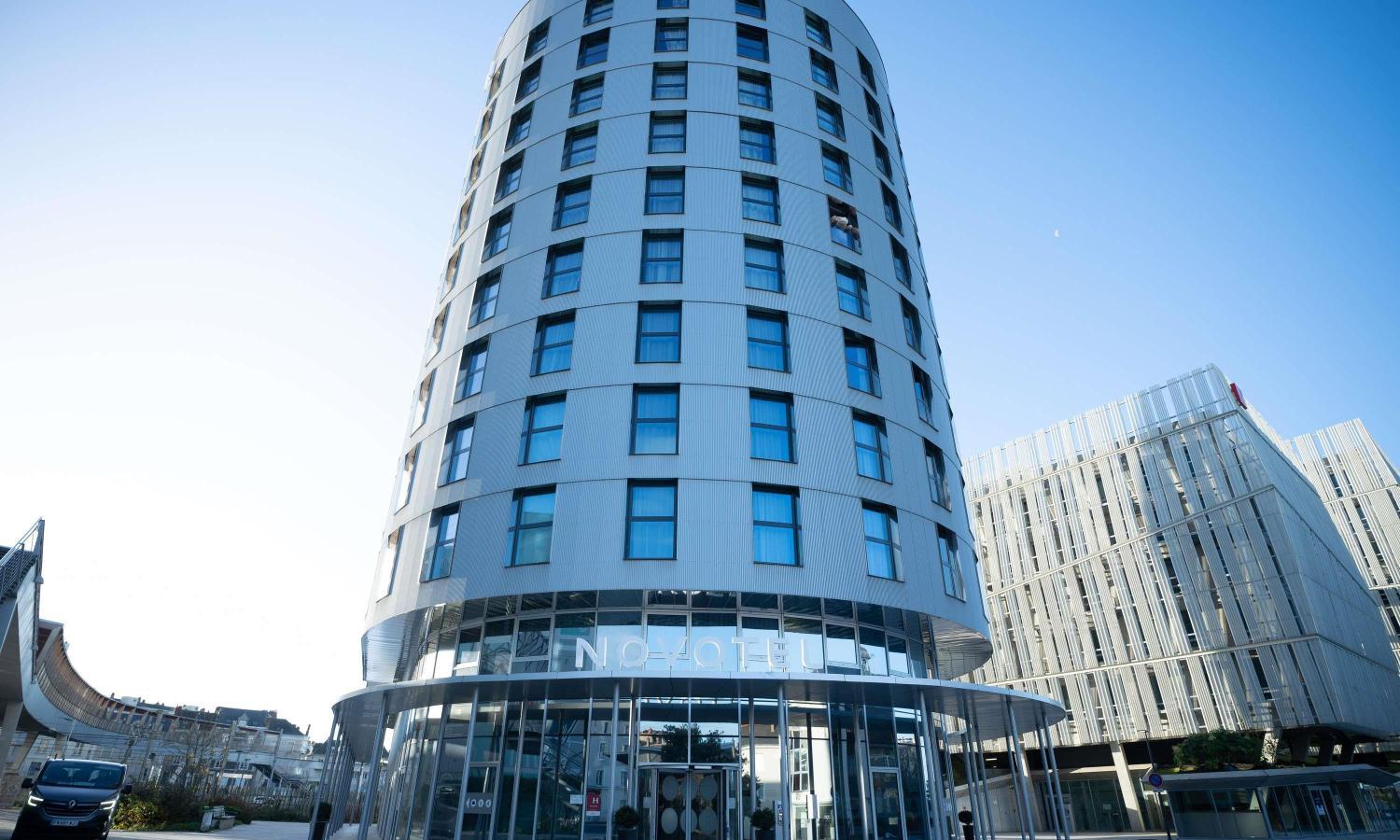
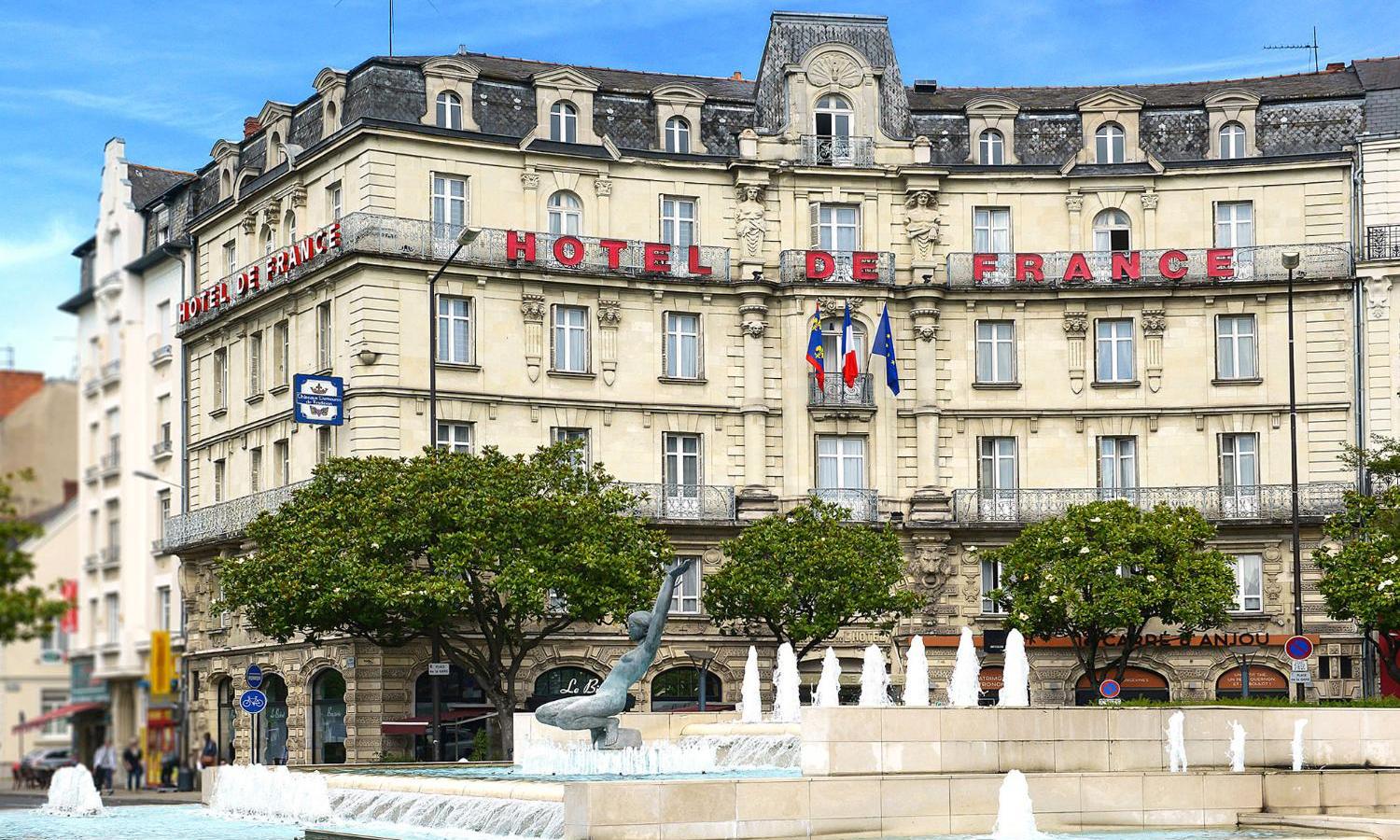
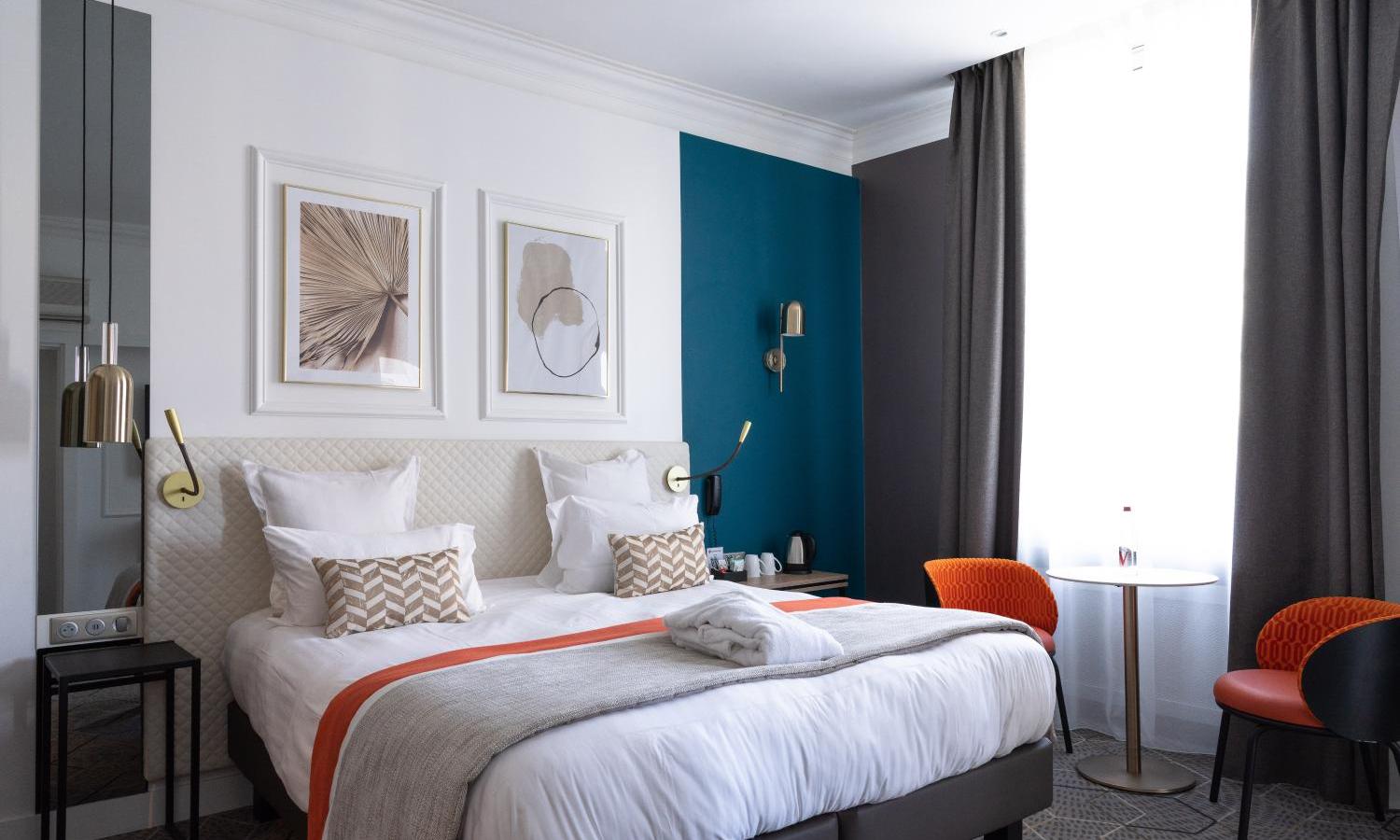
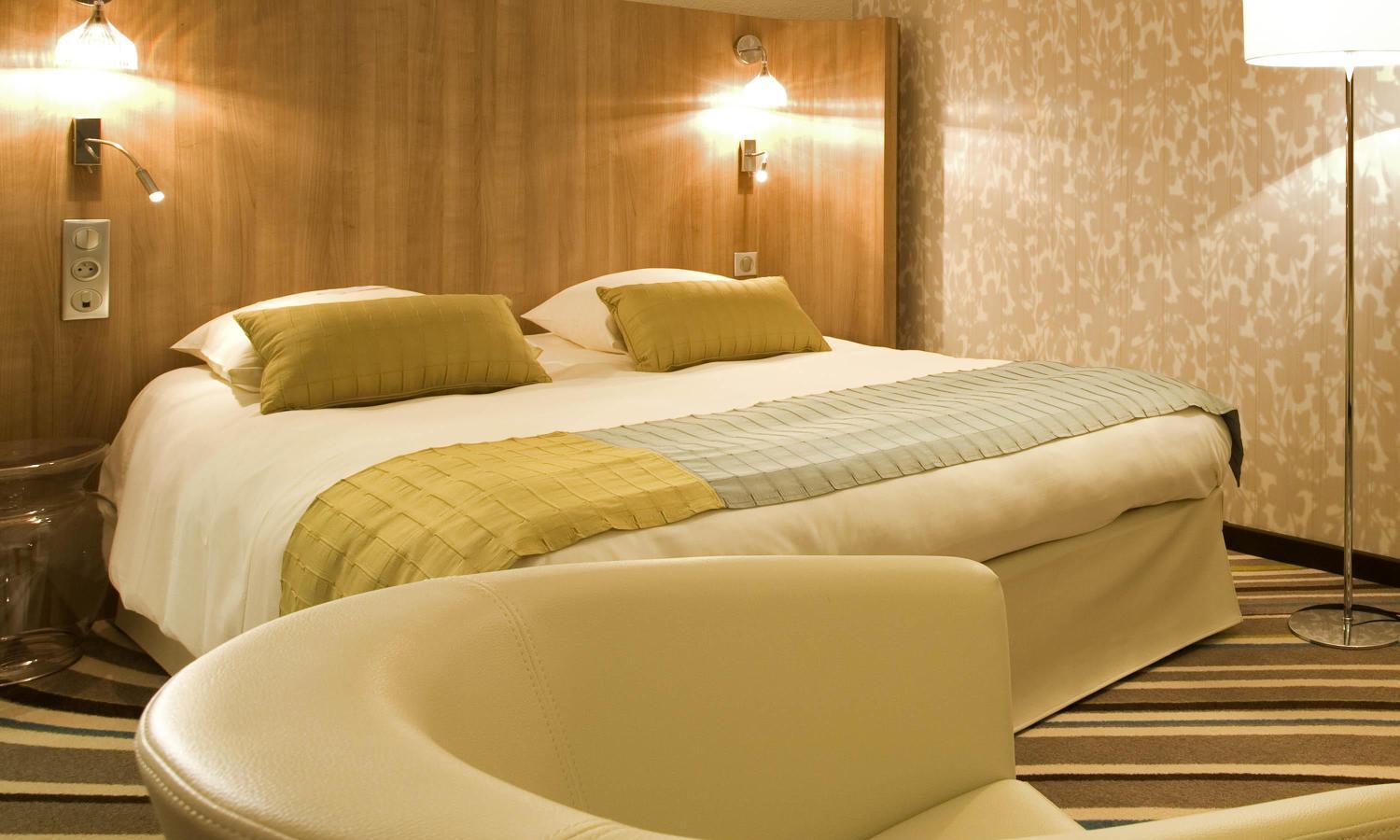
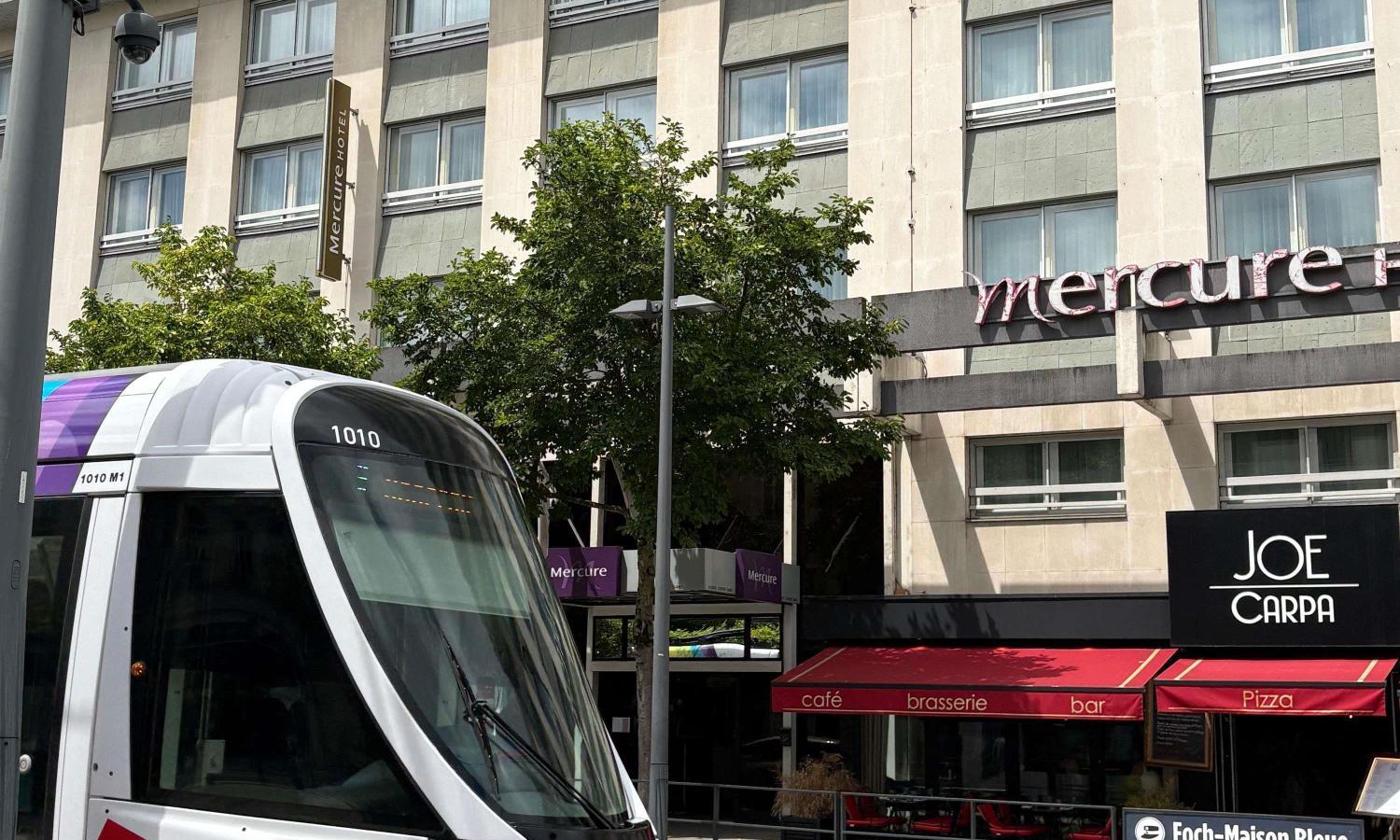
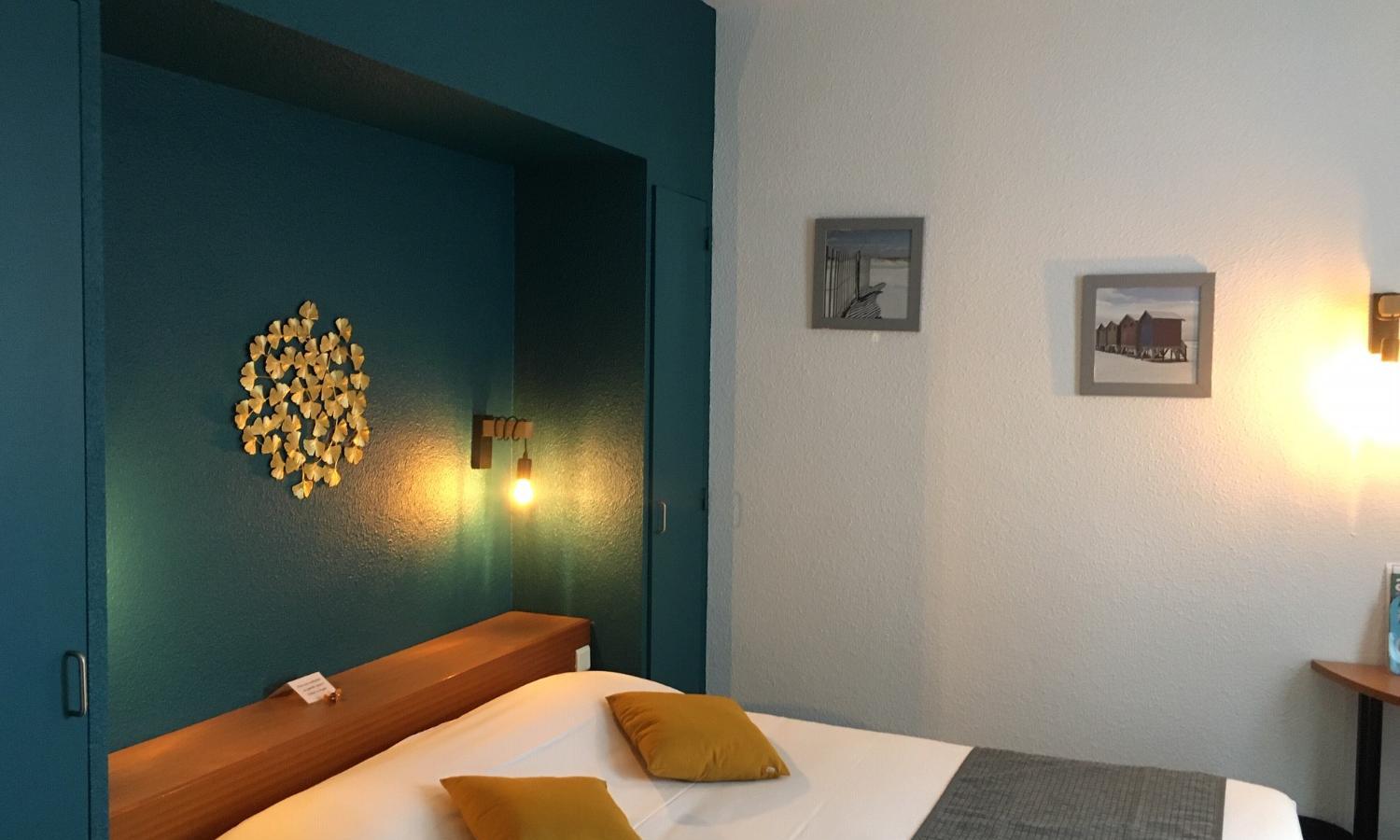
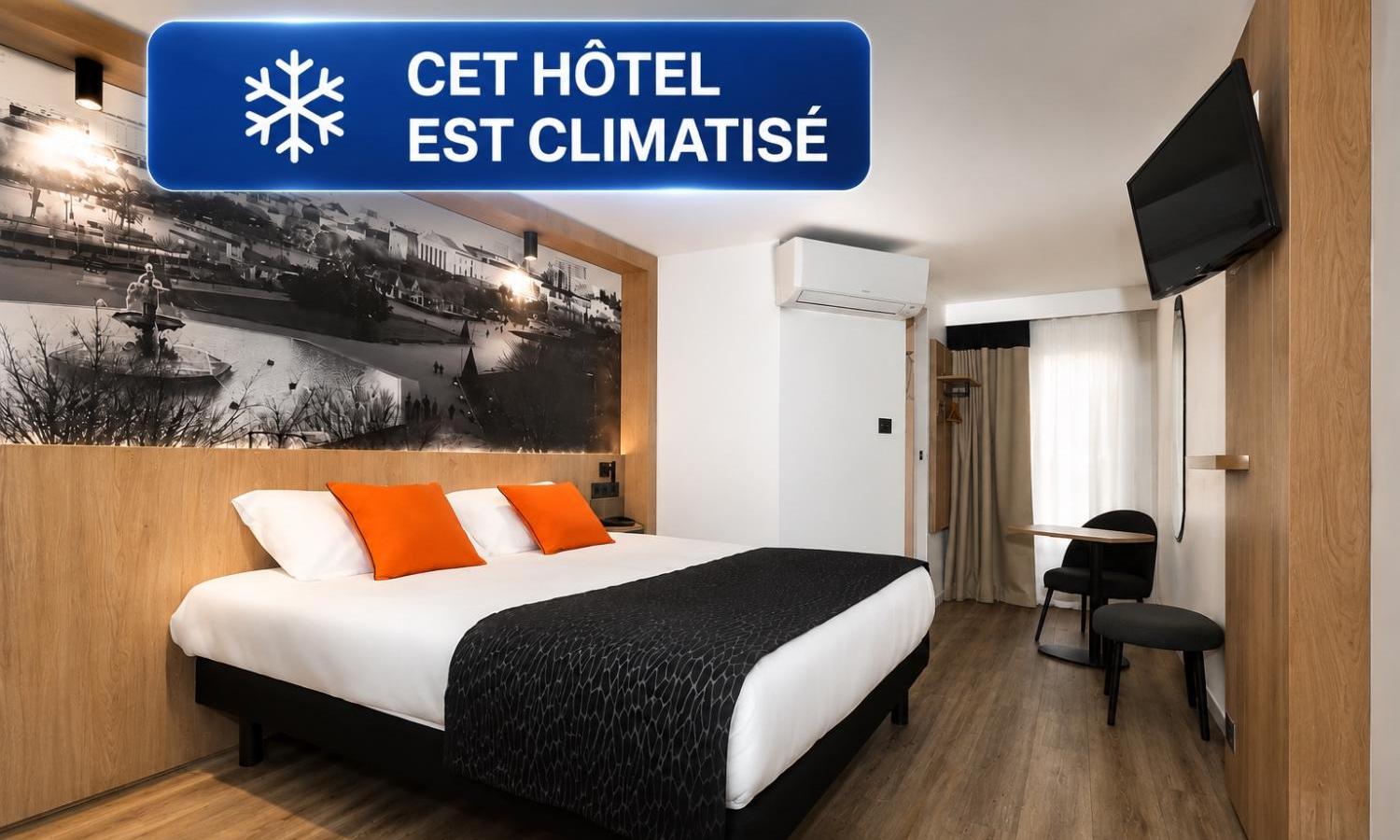
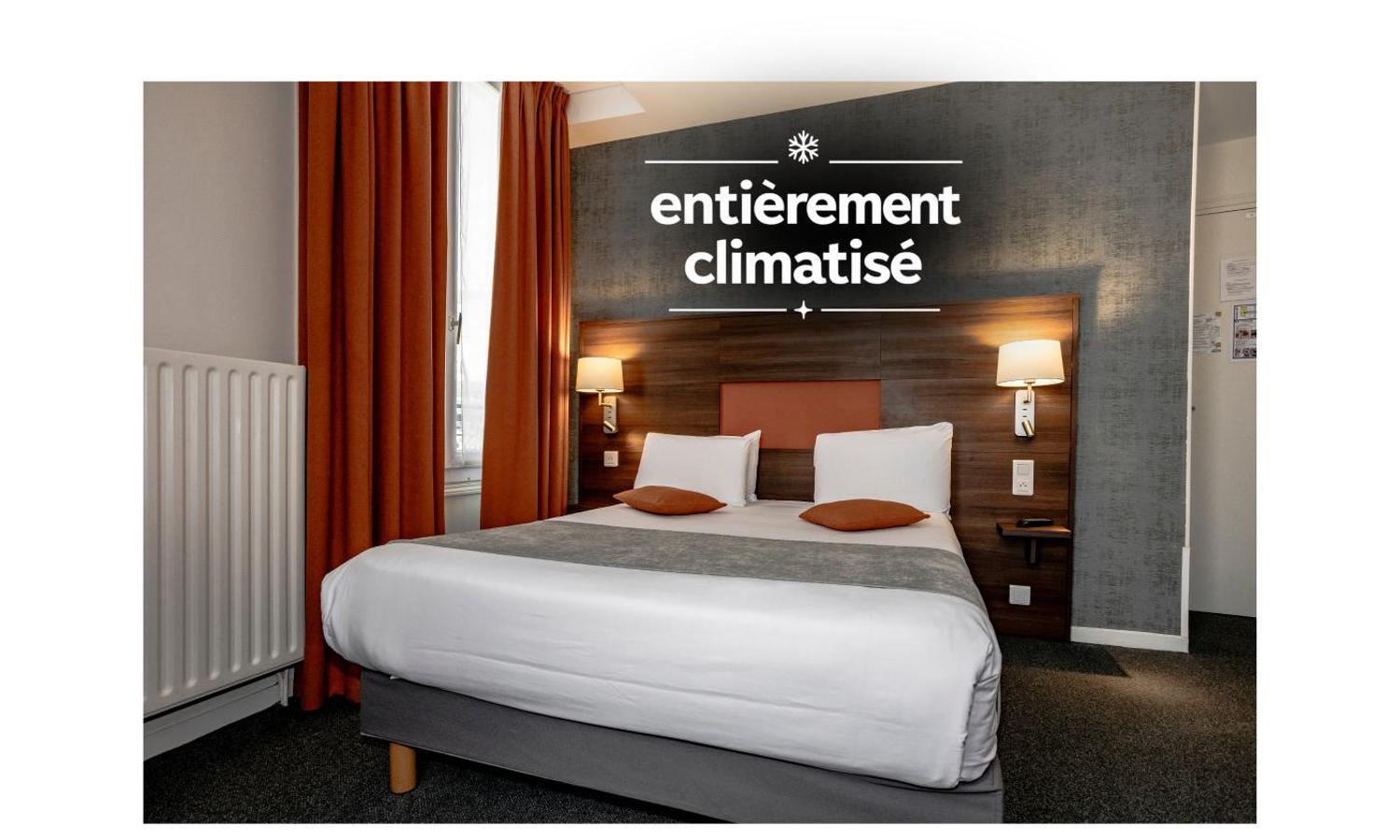
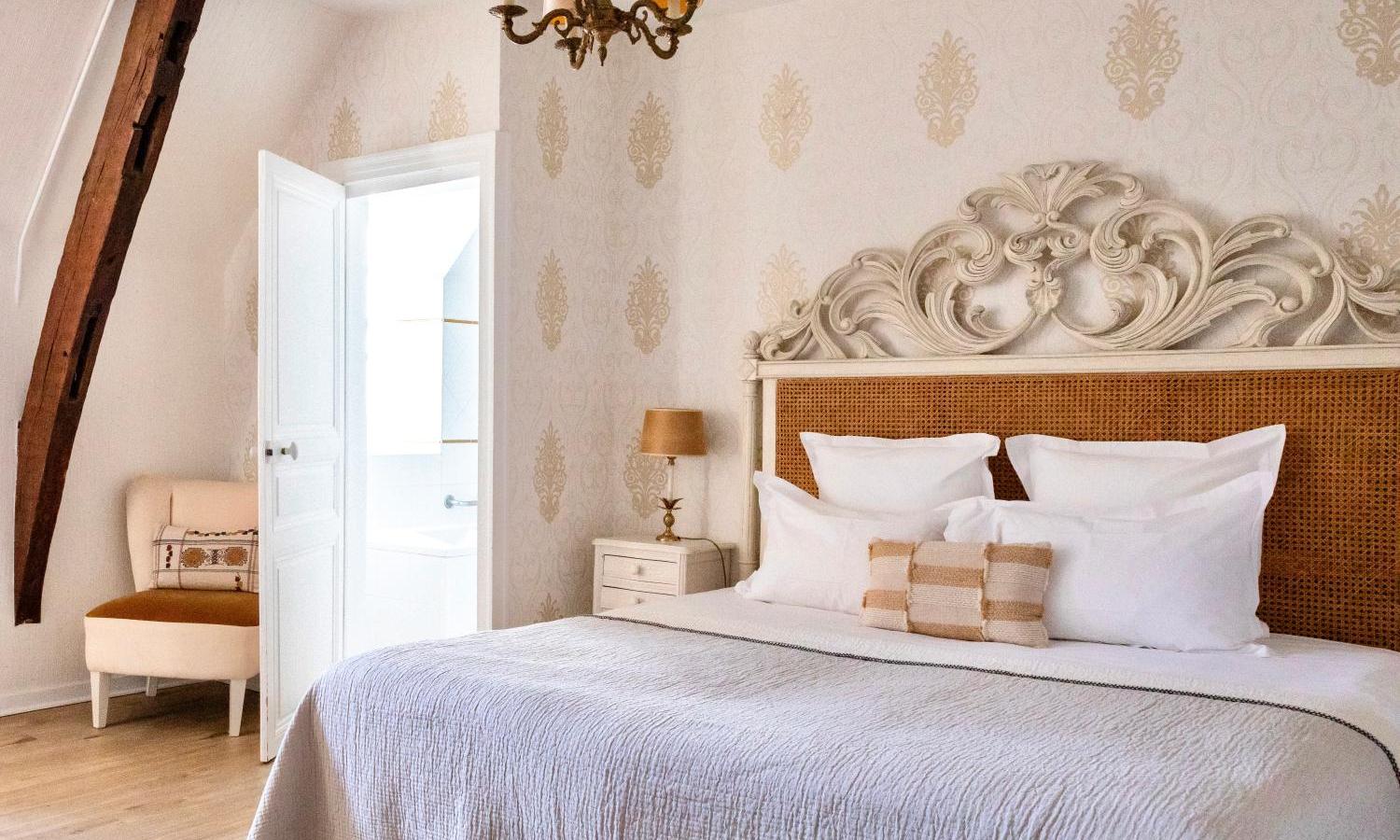
The best neighbourhood depends on your plans. Around the castle and the Cité, you are right next to the main sights and can do everything on foot. The city centre, between Place du Ralliement and the pedestrian streets, suits those who want to enjoy restaurants, shopping and evenings out. The Saint-Laud station area is the most convenient for a short stay or a business trip, with the centre about ten minutes away on foot. The Doutre appeals to travellers looking for peace and quiet and the charm of old houses, while the area around the Lac de Maine is ideal for families and nature lovers. Compare hotels in Angers by neighbourhood and book early for the big events of the year, especially during the festivals.